

Music is a universal language. Everyone understands music and enjoys music; the average human listens to music more than they engage in conversations with their fellow human beings.
We reside in an era where people spend more time on their cell phones, computers, and gadgets rather than discussing with their next-door neighbour. Nowadays, people prefer to block their ears with headphones, jamming Asake’s new album, Money, as they focus firmly on their laptop screen, writing code that would influence the next generation.
ALSO READ: I Want to Leave Porn Industry Before Starting a Family- Film Content Creator, Sephy
Music is an integral part of our lives, and Bluetooth devices, especially headphones, have helped in propelling the affinity for it. On the buses, it is uncomfortable when someone plays music aloud; it shows a lack of empathy for those in the environment and disregard for those who are going on about their day. Hence, it is important to listen to music solemnly and enjoy the sound that is penetrating your eardrums.
Unfortunately, some consequences come with blasting Bluetooth headphones for too long. In this article, we will be talking about how Bluetooth headphones actually ‘fry’ the brain.
RECOMMENDED ARTICLE:
Stanbic IBTC Bank Nigeria PMI: New Orders Continue to Rise Sharply in June
What is a Bluetooth Headset/Headphone?

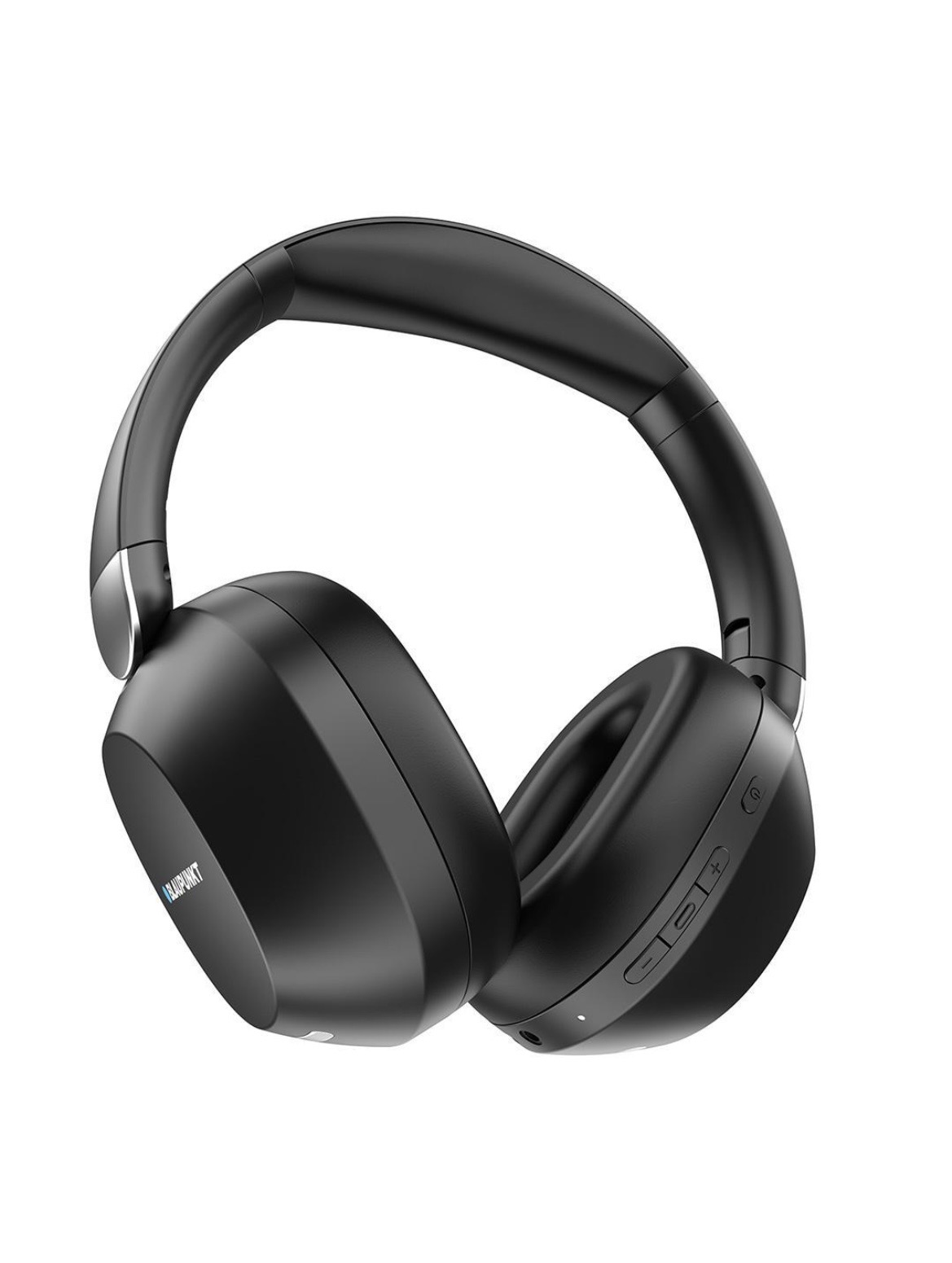
According to information gathered, a Bluetooth headset or headphone is a wireless audio device that connects to phones, tablets, computers, and other compatible devices using Bluetooth technology. It lets you listen to audio and make calls without using a cable.
Bluetooth headsets are widely used for listening to music, watching videos, making calls, online gaming (though some games are sensitive to Bluetooth audio delay), virtual meetings, and fitness activities. If you tell me your budget and what you’ll mainly use it for, I can recommend some good options.
RECOMMENDED ARTICLE:
Nana Kwaku Bonsam: Curious Case of Ghanaian Native Doctor at the World Cup
Do Bluetooth Headphones ‘Fry’ the Brain?

This part of the article was specifically inspired by a conversation with a social media user who claimed that Bluetooth headphones ‘fry’ the brain.
In a post seen by the author on the social media platform X, the person with username @mindovernoise said, “Those Bluetooth headphones are not good for your brain… Ditch them”
The social media user went further to write, “Yes…They fry your brains. The amount of radiation they emit is very dangerous.”
Following the tweets, eelive.ng decided to dig further by researching the topic of how Bluetooth headphones affect the brain.
The author discovered that scientists have studied this extensively, but research has not consistently demonstrated that Bluetooth radio waves are the cause. Current scientific evidence indicates that Bluetooth has not been shown to harm the brain when used as intended.
RECOMMENDED ARTICLE:
The Striking Resemblance Between Bloody Civilian and Ayra Starr: An Analysis of Gen Z’s Finest Women
What Did We Discover?

According to information gathered by eelive.ng, Bluetooth uses low-power radio waves, which are a form of non-ionising electromagnetic radiation. Unlike ionising radiation (such as X-rays or gamma rays), these radio waves do not have enough energy to damage DNA or brain cells.
Further, Bluetooth devices typically transmit at much lower power than mobile phones. For example, many Bluetooth earbuds or headsets use only a few milliwatts of power, whereas a mobile phone can transmit at much higher power levels depending on signal conditions.
Conclusion
In conclusion, Bluetooth headphones do not ‘fry’ the brain. To date, there is no conclusive evidence that Bluetooth exposure causes brain cancer, memory problems, or other neurological disorders when devices meet safety standards. Overall, based on the best available evidence, Bluetooth headsets are considered safe for the brain when used according to manufacturer instructions; therefore, do well to enjoy your music and jam up.


