

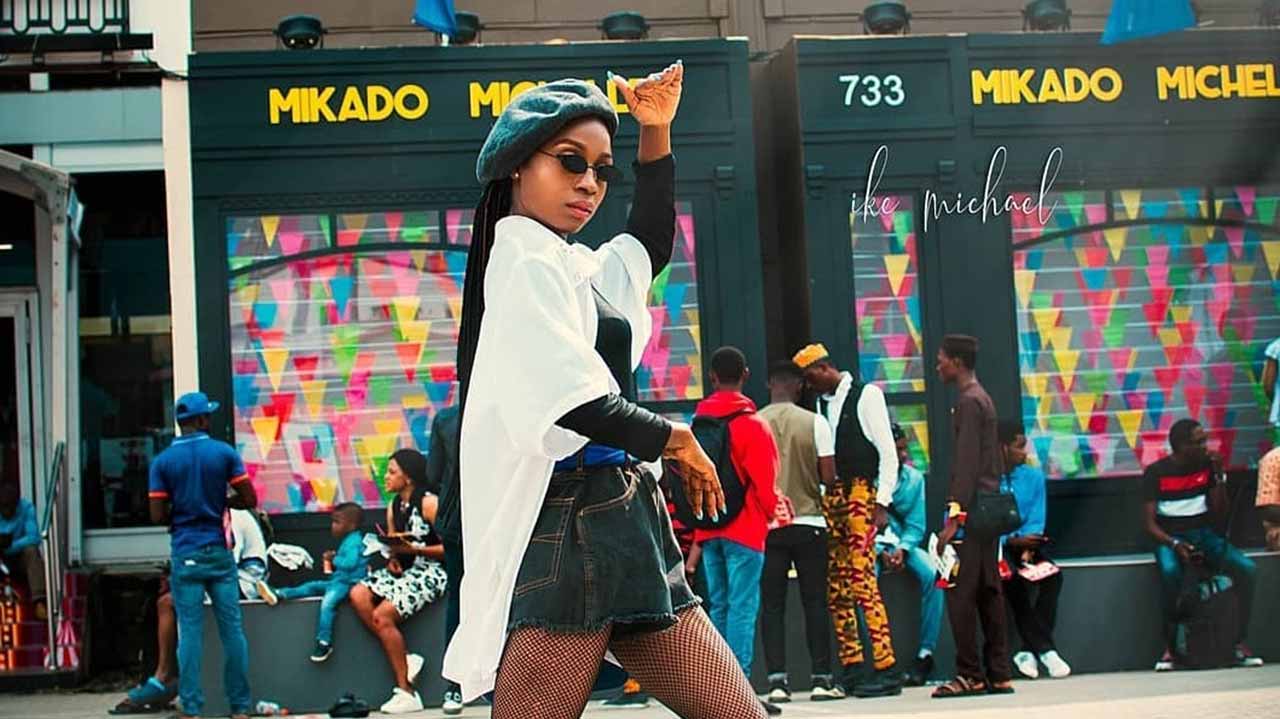
From astrology and star signs to planetary alignment and the bold pairing of mismatched outfits, this blend has shaped what is now identified as Alté fashion.
Alté began as a loose, rebellious energy, a do-it-your-own-way reaction to polished, status-driven looks.
Over the years, it has evolved into a recognisable style aesthetic, a scene, and an exportable creative language that combines thrift culture, gender fluidity, and the nostalgic visuals of 1990s Nigerian pop culture.
Welcome to Fashion Lookbook Weekly
It has been no less than five years since alternative fashion became a rave in Nigeria, especially among Gen Z and a few millennials.
I have been quite experimental with this style. I often go with the vibe of the day when choosing an outfit, and for some reason, that has helped me understand what Alté fashion is truly about.

I would describe it as an enigmatic way of expressing one’s inner personality. It encourages you to think beyond the ordinary and style yourself in a way that feels authentic, creative, and boldly individual.
However, has this bold and creative outlook on fashion started to cross a line? In recent times, I’ve come across styles that feel outrageously unpleasant, which makes me wonder where the boundary between expression and excess truly sits.
Stay with me through this article as I break down Alté fashion and explore how it has grown among young adults in recent years.
The Rise of Alté

Alté (pronounced “ahl-teh”) started as an alternative creative movement in Nigeria, anchored in music first and later spreading into fashion, film, and visual art.
The term was coined by members of the collective DRB LasGidi and grew during the 2010s as young creatives used internet access to share experimental sounds and images.
What began around Lagos university campuses and creative collectives soon turned into a cultural identity.
How to Spot Alté fashion

Alté fashion is easy to spot once you know what to look for. Key traits include:
- Layered, thrifted styling, where mismatched pieces are intentionally combined.
- Gender-fluid silhouettes and an openness to non-binary dressing.
- A DIY, imperfect charm: visible repairs, mixed textures, and bold accessories.
- Nostalgic references: early-2000s and 1990s Nollywood visual cues, retro streetwear, and alternative hair and beauty statements.
- An aesthetic that mixes high and low: couture details side-by-side with second-hand finds.
Writers and photographers have traced Alté’s look to campus scenes, thrift culture, and a deliberate refusal to follow established celebrity style norms.
The Creatives Who Made Alté Visible
Alté is as much about people as it is a look. Musicians who defined the sound also modelled the style.
Artists and creatives widely credited with popularising Alté include BOJ, TeeZee, Odunsi (The Engine), Cruel Santino, Lady Donli, Amaarae, and others.
Stylists and creatives such as Ashley Okoli helped translate the music scene into street and runway looks, building brands and styling artists in the Alté register.
Collectives and platforms like NATIVEMag amplified the movement.
Madness or Artistic Expression: When Creativity Crosses Into Chaos

In the middle of all the fun and free expression that alté fashion brings, it’s hard to ignore how some young adults have pushed it far beyond creativity.
What started as an artistic, intentional approach to style is now being stretched into something almost chaotic. Many looks no longer read as expressive or edgy; instead, they feel exaggerated for shock value alone.


