

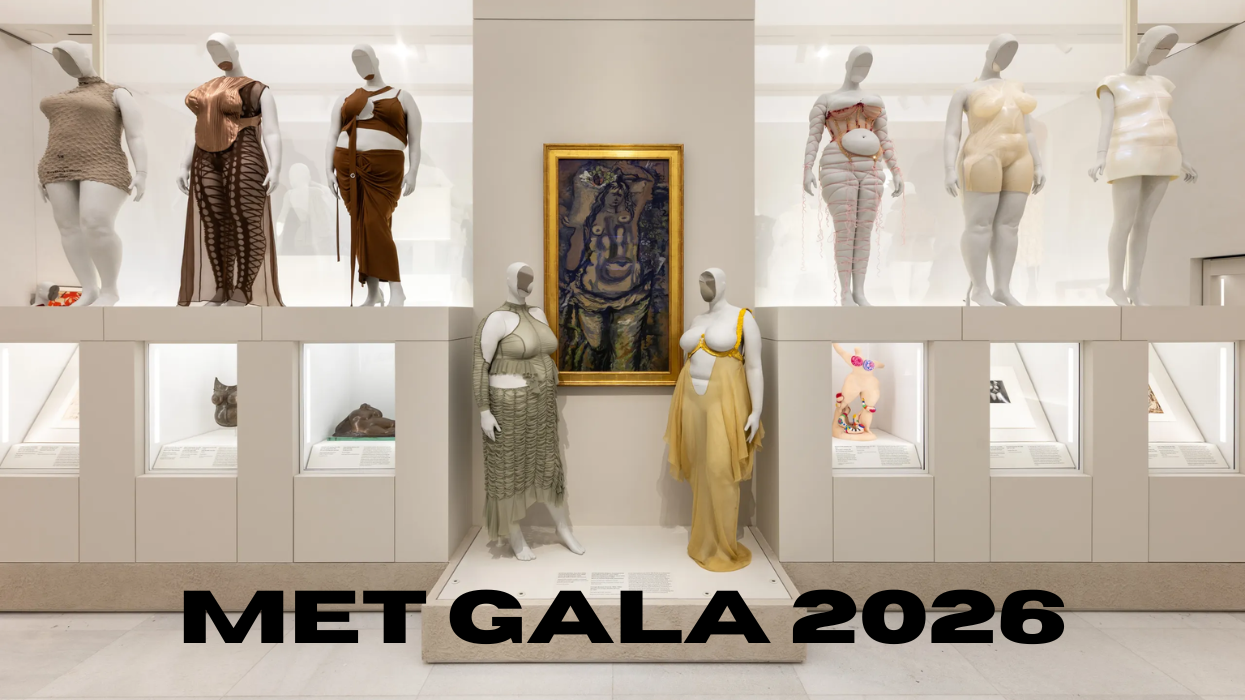
If you’re anything like me, you’ve probably spent years tuning into the Met Gala for the fashion. The dramatic gowns, the avant-garde concepts, the celebrity appearances, and of course, the endless debates about who understood the theme and who completely missed the mark.
This year, I was ready to share my favourite looks from the 2026 Met Gala. Then I paused.
Welcome to Fashion Lookbook Weekly
The more I listened to conversations around the event, the more I realised that many people know the Met Gala only as fashion’s biggest dress-up night. Few know the fascinating history behind it.
So before we talk about who wore what, let’s talk about why the Met Gala exists in the first place.
How the Met Gala Began

Photograph by United States Information Agency, PhotoQuest, Getty Images
The Met Gala was founded in 1948 by Eleanor Lambert, one of the most influential fashion publicists in American history. The event was created to raise money for the newly established Costume Institute at New York’s Metropolitan Museum of Art.

Photograph by Bettmann, Contributor, Getty Images
Back then, there were no celebrity red carpets or viral fashion moments. It was simply a midnight supper attended by socialites and fashion insiders, with tickets costing just $50.
The goal was straightforward:
- Raise funds for the Costume Institute
- Support fashion exhibitions and preservation
- Position fashion as a respected art form
The Turning Point

Photograph by Ben Martin, Getty Images
Everything changed in the 1970s when former Vogue editor Diana Vreeland joined the Costume Institute as a consultant.
She transformed the Gala from a fundraising dinner into a cultural event by introducing exhibition themes, inviting celebrities, and bringing a theatrical approach to fashion presentation.
Many fashion historians credit Vreeland as the architect of the modern Met Gala.
The Anna Wintour Effect

Photograph by Penske Media, Contributor, Getty Images
When Anna Wintour became chair in 1995, the event entered an entirely new era.
Under her leadership, the Met Gala became:
- More exclusive
- More global
- More celebrity-driven
- More financially successful
Themes such as Heavenly Bodies, Camp: Notes on Fashion, and Karl Lagerfeld: A Line of Beauty turned fashion exhibitions into global conversations.
Today, receiving an invitation is considered one of the highest honours in fashion.
When Fashion Became a Spectacle
The rise of social media transformed the Met Gala into a worldwide phenomenon.
Iconic moments such as Rihanna’s yellow Guo Pei cape, Lady Gaga’s multiple outfit reveals, and Billy Porter’s grand entrance helped turn the event into a cultural spectacle watched by millions.
The Gala now exists far beyond the museum walls, with Instagram, TikTok, and X helping every look reach a global audience within minutes.
Is the Met Gala Still Fulfilling Its Purpose?

Surprisingly, yes.
While the event is now synonymous with celebrity culture and viral fashion, its original mission remains intact.
The Gala continues to raise millions of dollars annually for the Costume Institute, funding exhibitions, conservation projects, research, and fashion preservation.
In many ways, it has exceeded its founders’ expectations.
How Do You Get Invited to the Met Gala?

Attending the Met Gala is not simply a matter of being famous or wealthy. The guest list is carefully curated each year by Anna Wintour and her team at Vogue.
While major fashion houses and corporate sponsors often purchase tables that can cost hundreds of thousands of dollars, they cannot freely invite whoever they want.
Every guest must receive final approval from Wintour herself. Invitations typically go to a mix of actors, musicians, athletes, designers, artists, philanthropists, and cultural figures who are considered influential within their industries.
Increasingly, digital creators and social media personalities have also found their way onto the guest list, reflecting shifts in culture and media.
Ultimately, the Met Gala is less about celebrity status alone and more about cultural relevance, influence, and the ability to contribute to the event’s ongoing conversation around fashion, art, and society.
Final Thoughts

The Met Gala began as a modest fundraiser and evolved into the most influential night in fashion. Its story has been shaped by three key figures: Eleanor Lambert, who created it; Diana Vreeland, who made it glamorous; and Anna Wintour, who turned it into a global phenomenon.
Whether you watch for the fashion, the celebrities, or the cultural commentary, one thing remains true: every first Monday in May, the world still stops to watch.
As I draw the curtains on this piece, I cannot help but wonder: will Africa one day have a fashion event with the same global influence and cultural significance as the Met Gala?
To answer my own question, I believe we are already on that journey. Over the years, the AMVCA has evolved into far more than an awards ceremony.
It has become a continental showcase of creativity, craftsmanship, and culture. If I am being honest, some of the designs seen on the AMVCA red carpet display levels of construction, sculpting, and artistic detail that rival, and sometimes even surpass, what we see at the Met Gala.
One thing is certain: fashion and impact are not mutually exclusive.
When creativity is paired with purpose, the result can be both culturally significant and globally resonant. And perhaps that is exactly where Africa’s fashion future is headed.


