

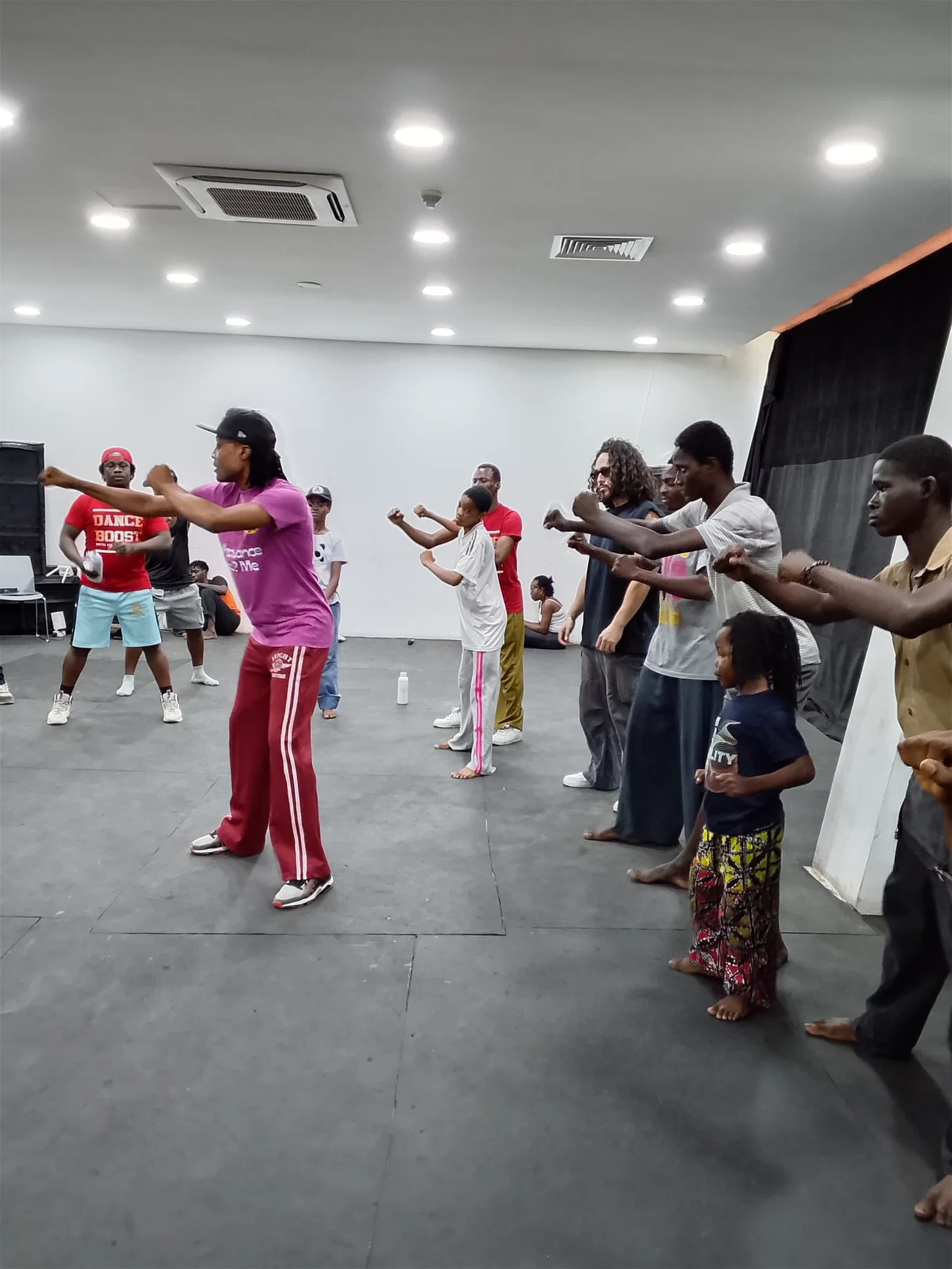
A Dance Expert, Hilary Uzorka, warns that the lack of proper documentation and archiving are threatening the survival, ownership and global recognition of Nigerian street dance.
Uzorka, popularly known as Hilary Jackson “The Dance Machine, a choreographer, teacher and stage performer, made the remark in a recent interview.
He said this on the sidelines of a three-day event organised by the Guild of Nigerian Dancers (GOND), Lagos Chapter, to commemorate World Dance Day (WDD) 2026.
World Dance Day is celebrated annually on April 29, highlighting dance as a universal language for resistance, hope and healing. The theme for 2026 is “We Move.”
Uzorka said that notwithstanding the global popularity of Nigerian dance moves, many remained undocumented, unnamed and poorly understood, even among local dancers.
He noted that the absence of structured records had led to confusion over the origins of several dance styles and enabled misattribution both locally and internationally.
“Our dances have gone so far as Beyoncé performing some of these moves, yet even she may not know their origins.
“She was simply replicating what she saw online. Many dancers in Nigeria perform these styles without fully understanding them,” he said.
Uzorka attributed the gap to the failure of earlier generations to formally document the evolution of Nigerian street dance, leaving younger practitioners to rely on fragmented knowledge.
He cited longstanding disagreements within the dance community particularly over the origins of iconic styles such as Galala and Konto as evidence of the consequences of poor documentation.
To address the challenge, Uzorka said he had begun work on a comprehensive book tracing the origins of Nigerian street dance, aimed at documenting more than 50 styles and their histories.
“I began naming them because they were not formally named,” he said.
According to him, the project will involve collaboration with veteran dancers and pioneers to validate the history and structure of each style.
Beyond print, he stressed the importance of digital documentation, including video tutorials and documentary-style recordings, to reach global audiences and improve access to accurate information.
He added that proper archiving could unlock economic opportunities for dancers by transforming cultural assets into sustainable sources of income.
Also speaking, Chilean Saxophonist, Alvaro Guzman, said his introduction to Nigerian street dance came not in Africa but during a small class in his home country amid the COVID-19 lockdown.
Guzman noted that while globalisation is spreading Nigerian culture, access to accurate and authentic information remained limited.
“My country is far from Africa, so the information is not always clear,” he said.
He explained that much of what he initially learnt came from online videos and fragmented instruction.
According to him, it was only after months of practice that he realised many of the movements were rooted in Nigerian street dance.
The discovery, he said, gradually reshaped his career, allowing him to blend music and movement in new ways.
However, Guzman observed that both foreign learners and younger dancers often lacked a proper understanding of the cultural and historical roots of the dances.
He said his understanding only became complete after visiting Nigeria, where the rhythms, movements and cultural context aligned.
“Everything made sense in my mind and in my heart,” he said.


