

By Oluwatosin Balogun
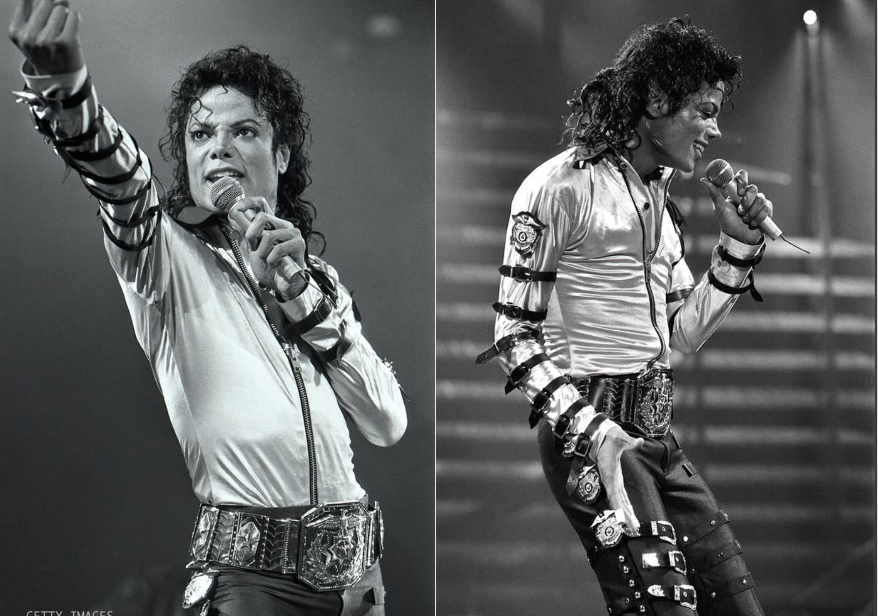
Sixteen years after the death of the King of Pop, Michael Jackson, the world is once again dancing to his music, debating his genius and rediscovering the man who once dominated global culture like few entertainers ever have. But this time, the revival is coming through the eyes of a new generation.
For millions of viewers between ages 20 and 25, Michael Jackson has mostly existed as an internet phenomenon; viral moonwalk clips, sequined jackets, TikTok edits, old concert footage and controversial headlines. Now, the biopic Michael, starring his nephew Jaafar Jackson, is changing that narrative, thereby connecting them to the scale of his artistry.

The film has become more than a musical drama. It is an emotional family story, a resurrection of memory, and a cultural bridge reconnecting younger audiences to the artist older generations still regard as the greatest performer in modern entertainment history. And behind the spectacle lies a deeply personal story of preparation, grief, family tension and extraordinary pressure. At the centre of that emotional journey stands Jaafar Jackson himself, the 29-year-old singer and first-time actor, entrusted with bringing one of the most recognisable entertainers in human history back to life.

How Jaafar Jackson Became the King of Pop
For Jaafar Jackson, portraying his late uncle was never about imitation. “I wanted people to feel Michael,” Jaafar explained during the film’s promotional tour. “Not just see someone copying him.” The role marked his first acting performance, making the challenge even more extraordinary. Speaking in an interview with GQ, Jaafar revealed that when producer Graham King first approached him about the possibility of playing Michael Jackson, he had no acting experience. “At that time, I was creating music, producing a lot,” he explained. “I didn’t have any thoughts of, ‘Oh, let me play him.’” He added, “I told him I have never acted. ” But the process slowly evolved into what became years of physical and emotional preparation.
According to the younger Jackson, the audition process was unlike anything he imagined. “It wasn’t just one audition,” he explained. “There were many different moments I had to really show up.” He explained that the pressure intensified when producers informed him that they planned to launch a worldwide casting search for the role. “That put even more fire inside of me,” he admitted.
Mr Jackson said in the interviews that one of the most emotional parts of Jaafar’s preparation involved returning to Hayvenhurst, the famous Jackson family estate in Encino, California, where Michael Jackson once lived. There, Jaafar said he transformed the home into what he described as a personal rehearsal camp. “I went back there and set up a training camp. A place to really work as long as I want, as hard as I want,” he said. Reports further revealed that the actor even slept in Michael Jackson’s former bedroom while preparing for the role, as learning about Michael Jackson went beyond choreography.

Jaafar Jackson disclosed that he also gained access to his late uncle’s personal archives, writings and rehearsal materials to understand the icon beyond public mythology. “I was fortunate to have access to some of Michael’s personal writings. “I created a timeline room with every inch of the wall filled with quotes of his mantras, his personal handwritings, facts of things that he achieved. “What really surprised me was his attention to detail and the importance he gave to encouraging phrases. “He wrote down absolutely everything he wanted to achieve., ” Jaafar explained during an interview in Berlin.
The director of the biopic, Antoine Fuqua, explained that portraying Michael Jackson demanded more than simply copying dance routines. “You can’t just go through a Michael Jackson move casually,” Fuqua said during a behind-the-scenes featurette.
Jaafar trained extensively with choreographers Rich and Tone Talauega, longtime Michael Jackson collaborators who taught him not only the movements but also Michael’s perfectionist mindset. “I started to rehearse for hours upon hours until one single move was right,” Jaafar revealed. He also studied the psychology behind Michael Jackson’s costumes and stage appearance. Discussing Michael’s iconic glove, jackets and fedora hats, Jaafar explained: “The one glove… I would think that was his armour. He didn’t feel fully ready if he didn’t have some of those pieces on him.” Eventually, Jaafar began rehearsing in full costume because of how dramatically it altered his energy and posture. “It really changed the energy of the performance,” he said.
Family Emotion: The Jackson’s Family Emotional Reactions
While audiences focused on the spectacle of Michael, the film also reopened emotional wounds within the Jackson family itself. Reports surrounding private screenings suggested tensions emerged over how Michael Jackson’s story should be told onscreen. According to entertainment discussions surrounding the production, one of his sisters, Janet Jackson, reportedly questioned aspects of the storytelling and parts of the film’s direction during private family conversations. But Jaafar’s father, Jermaine Jackson, publicly stood behind both the project and his son. “Jermaine stood his ground,” one feature segment surrounding the film explained. “He defended the film. He defended the vision. And most importantly, he defended his son.” The report added: “That moment wasn’t just about disagreement. It was about protection. A father protecting his child’s hard work. A brother protecting what he believes is the right way to honour Michael.”
RECOMMENDED ARTICLE:
For Jermaine Jackson, however, the emotional weight of watching his son portray his late brother became almost unbearable. Speaking in an emotional interview, he said, “A lot of people try to emulate Michael. Which they do, a lot of them. Jafaar became Michael. I couldn’t believe it.” Fighting back tears, he continued, “I got so emotional because he became Michael on that screen. It brought tears to my eyes. I couldn’t believe it. Michael’s shoes are tough to fill, but I felt Jafaar had it in him, and I wanted him to know what he was up against.
The emotional reaction extended across the Jackson family as Michael Jackson’s mother, Katherine Jackson, offered perhaps the strongest endorsement possible after seeing Jaafar’s performance. “Jaafar embodies my son,” she said, according to reports from Jaafar himself. Jaafar also admitted that approval from family members who knew Michael personally meant more to him than praise from critics or audiences. “The truest and highest compliment I can get is from people who knew him closest,” he said.
“They’re the ones I looked up to as a kid. To hear how proud they are… the support I have from them… my grandmother couldn’t be more proud.” At one point, Jaafar also revealed that he kept his casting secret from much of his family, including his mother, for nearly a year because he wanted to earn the role fully before discussing it publicly. “No one in my family knew for a full year,” he admitted. When his mother eventually saw him transformed into Michael onscreen, he said the moment became overwhelmingly emotional. “It was very emotional for my mom.”
Reintroducing Michael Jackson to a New Generation
Beyond the family emotions and box-office numbers, perhaps the film’s most significant achievement is introducing Michael Jackson to audiences too young to have truly experienced his global dominance. Michael Jackson died in 2009, sixteen years ago.
That means today’s average 20-year-old was only four years old when he died, while many younger viewers were not even born during his cultural peak. For them, Michael Jackson has largely existed through fragments of internet culture. But Michael, the movie is changing that. Reports from screenings across the United States and Europe describe younger audiences arriving in Michael Jackson-inspired outfits, dancing in cinema aisles and reacting emotionally to performances of songs like Billie Jean, Man in the Mirror and Beat It.
Online discussions show many younger viewers saying they finally understand why older generations considered Michael Jackson culturally unmatched. One viewer on Reddit described the movie as “the closest thing to an actual Michael Jackson concert.” Another wrote that Jaafar Jackson’s performance made it feel like “Michael coming back to life.” Others admitted they previously knew Michael Jackson mainly through controversies and social media clips, but left cinemas shocked by his work ethic, artistry and influence.
Parents and grandparents have also played a major role in the film’s success, with many bringing younger family members to screenings to introduce them to the artist they grew up idolising.
According to Adam Fogelson, chair of the Lionsgate Motion Picture Group, the response reflects Michael Jackson’s timeless influence. “Michael Jackson is one of the most influential artists in human history,” Fogelson said. “His impact on music, fashion, dance, film and business has withstood the test of time.”
READ ALSO: ‘Monica 2’ Review: A Sequel That Carries the Weight of Black Tax and Feels Too Close to Home
He added that the combination of nostalgia, music and Jaafar Jackson’s performance created “a profound response from audiences of all ages.”
How Michael Is Outperforming Other Biopics
Commercially, Michael has already entered historic territory. The film’s impact is already visible beyond the cinemas. Michael Jackson’s music has reportedly surged again on streaming platforms, while clips from the film continue dominating TikTok, YouTube and social media conversations globally. Within its opening weekend, the film reportedly grossed more than $217 million globally, making it the biggest opening ever for a biographical film.
The numbers immediately placed the movie ahead of some of the biggest musical biopics in Hollywood history. Bohemian Rhapsody, the Freddie Mercury and Queen biopic that eventually grossed more than $900 million worldwide, opened with $51 million domestically. Straight Outta Compton debuted with about $60 million. Elvis opened with approximately $31 million. Even Christopher Nolan’s Oppenheimer, which previously held the overall biopic opening record, debuted below Michael’s opening numbers. Industry analysts now believe Michael could potentially approach or even surpass the billion-dollar mark globally if the momentum continues.
READ ALSO:
Across Europe, the film has already outperformed expectations. In the United Kingdom, its opening reportedly exceeded Bohemian Rhapsody’s debut by more than 80 per cent. In Germany and Italy, the movie has continued to outpace previous musical biopics, particularly due to strong turnout among younger viewers, with audience reception remaining overwhelmingly positive.
Viewers have praised Jaafar Jackson’s emotional authenticity, physical transformation and ability to recreate Michael Jackson’s stage presence without reducing the performance to imitation.
Conclusion: More Than a Biopic
For older generations, Michael revives memories of an era when one entertainer dominated music, television and global pop culture in ways that may never be repeated. But for younger audiences, the film represents something far more important. It is their first real encounter with Michael Jackson, not as a meme, a controversy or a faded icon, but as a performer, perfectionist, innovator and deeply human figure. And through Jaafar Jackson’s emotionally charged transformation, the King of Pop is once again finding an audience that never got the chance to know him the first time around.


