

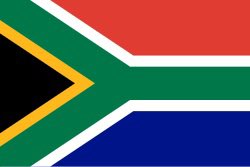
South Africa’s loss on the opening day of the 2026 FIFA World Cup to co-host Mexico fascinated Nigerians and other African fans across the globe. The Bafana Bafana of South Africa lost 2-0 to Mexico on Thursday, June 11.
Following the loss, Nigerians and other Africans took to the microblogging site X to express their joy and happiness. While the comments from trolls on social media were hilarious, there is a backstory to the animosity Africans feel towards their South African counterparts.
Before the game kicked off, the rest of Africa wished the South African national team nothing but a tumultuous and banal tournament at the World Cup.
1966: Africans Stood with South Africa Against Apartheid
In 1966, Nigeria and other African countries unified to stand against racial prejudice and discrimination in South Africa. eelive.ng gathered that all 15 eligible African nations staged a massive, coordinated boycott of the 1966 FIFA World Cup. Backed by the Confédération Africaine de Football (CAF) and Ghanaian President Kwame Nkrumah, they withdrew to protest the tournament’s discriminatory qualification rules and FIFA’s decision to readmit apartheid, South Africa. The sacrifice paid off, forcing FIFA to grant Africa its own guaranteed automatic spot in 1970.
Although South Africa gained its independence in stages. It became a sovereign state from Britain in 1931 and fully cut ties to become a republic on May 31, 1961. True independence and democratic representation for all citizens were achieved on April 27, 1994, following the end of apartheid.
South Africa would host and win the 1996 African Cup of Nations, the only major international title they have won to date.
RECOMMENDED ARTICLE:
How South Africa Became Enemies with the Rest of Africa
It is important to note that South Africa isn’t an outright “enemy” to the rest of the continent; however, their relationship has become strained due to various factors that we will be explaining in this article.
This tension largely stems from cyclical waves of xenophobic violence, a sense of economic exceptionalism, and complex political policies that often alienate continental neighbours.
See the following reasons below:
Xenophobia and Afrophobia: This is the most common theme in South Africa.
The primary driver of continental friction is the recurring outbreak of anti-migrant violence. Fueled by extreme socioeconomic pressures, high unemployment, and inequality, populist groups like Operation Dudula and the MK Party have scapegoated foreign nationals for local shortages. This violence and harassment have frequently targeted African expatriates, straining diplomatic ties and prompting evacuations from nations like Nigeria, Ghana, and Mozambique.
Notable Nigerian-born South African model, Chidimma Adetshina, faced massive criticism in 2024 and was forced to step down from the Miss South Africa 2024 pageant following a massive nationality and citizenship controversy.
Diplomatic Fallout: The recurring tensions have led to repeated diplomatic damage control. The South African government frequently dispatches diplomatic envoys to assure the continent that foreign nationals are welcome, but these efforts often ring hollow when localized violence against African migrants erupts again.
RECOMMENDED ARTICLE:
Conclusion
Due to the reasons stated above, Nigerians and several African natives in South Africa have been attacked and assaulted despite the previous kind gesture extended towards them during the peak of apartheid and racial prejudice.


