

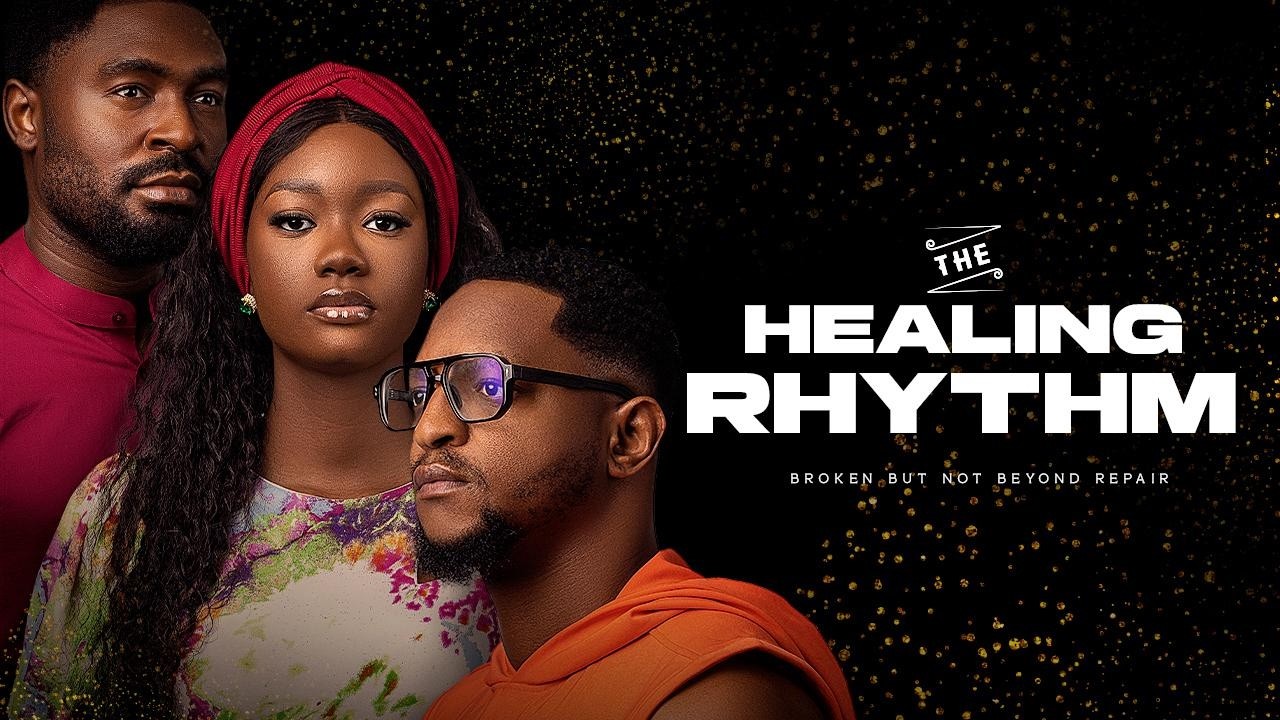
A single mistake destroys the life Hadiza (Inegbenebor Osareme) built with the man who loved her deeply. In this emotionally charged drama, Hadiza’s decision to visit her ex-lover, Jide (Alagbe Olanrewaju), sets off a chain of events that ultimately shatters her marriage to Terfa (Bobby Ekpe), forcing both husband and wife to confront the painful reality that love alone may not be enough to save a broken relationship.
At its core, the film is a story about trust; how difficult it is to rebuild once broken and how betrayal can leave wounds that linger long after apologies have been made. Terfa is a man who loves deeply, and people like that rarely forgive easily. Even if the marriage had survived, it was obvious that Hadiza would have spent the rest of her life trying to make up for her mistake. Trust, once broken, is one of the hardest things to restore.

This central conflict becomes even more interesting when viewed alongside the character of Zaki (Bryan Okoye), Hadiza’s friend and colleague at work who stands by her after her divorce from Terfa. Unlike Terfa, Zaki is secure, patient, and emotionally mature. Rather than pressure Hadiza, he gives her the space she needs to heal and allows her to discover his love on her own terms. Nothing about his approach feels rushed. One of the moments that increased my respect for his character was when he found Terfa in Hadiza’s house. Instead of reacting with jealousy or anger, he remained calm and quietly waited for Hadiza in the room. That is a secure man.
ALSO READ: ‘Love in Ghetto’ Review: A Familiar Nollywood Romance Too Predictable in its Uneven Storytelling
Beyond its exploration of trust and forgiveness, one of the film’s strengths is its refusal to rely on easy stereotypes. Society often imagines the adulterous partner as reckless, irresponsible, or obviously flawed, but Hadiza does not fit any of those expectations. She appears decent, hardworking, and respectable. She loves her husband, builds a stable home, and carries herself as someone committed to her marriage. Yet she still makes a decision that destroys everything she has built. In presenting her this way, the film reminds us that poor choices are not always made by obviously bad people. Sometimes they are made by ordinary individuals whose momentary lapses carry lasting consequences.

Ironically, while the film succeeds in making Hadiza feel like a believable person, it struggles to make her decision feel equally believable. One area where the film falls short is in its handling of her motivation for cheating. The emotional foundation for such a life-altering decision is simply not strong enough. It feels as though the story needed an act of infidelity to drive the plot forward and therefore rushed the circumstances that led to it. What exactly was it about Jide and their shared history that made Hadiza risk everything she had built with Terfa? The film never adequately answers that question.
In reality, people are often driven to infidelity by emotional neglect, unresolved feelings, unmet needs, personal dissatisfaction, revenge, or a longing for something they believe is missing. Here, none of those motivations is sufficiently explored or even explored at all. Jide functions more as a plot device than as a fully developed catalyst for Hadiza’s decision. Perhaps the film is trying to suggest that temptation does not always arrive with a grand justification and that sometimes people make devastating choices simply because an opportunity presents itself. If that is indeed the message, the narrative could have communicated it more clearly. As it stands, Hadiza’s betrayal feels underexplained, making it harder to fully understand the decision that ultimately drives the entire story.
Nevertheless, the moment the affair occurs, the film handles its consequences with remarkable seriousness. Rather than treating adultery as a source of cheap drama, it presents it as a rupture that affects not only the couple but also the emotional ecosystem around them. In doing so, it reinforces a hard but familiar truth: trust, once damaged, is extremely difficult to rebuild.
That commitment to emotional honesty extends to the film’s overall structure. Rather than rushing toward a comforting resolution, the story leans into emotional realism. It raises the question of whether broken marriages can truly heal or whether separation sometimes becomes the only form of closure. Because of this, I found myself hoping the film would offer a glimpse of reconciliation. It highlights a challenge many marriages face: how to recover after vows have been broken and trust has been shattered. I wanted to see whether the couple could navigate the pain, rebuild trust, and somehow find their way back to each other.
However, the ending takes a different path. It seems to suggest that sometimes there is no way back and that separation may be the only route to healing. After their extended time apart following the divorce, the intensity of the hurt appeared to have faded. While there are moments that suggest a possible reconciliation between Hadiza and Terfa after time apart, the narrative ultimately shifts away from that possibility. By the time emotional clarity returns, Hadiza has already moved forward with Zaki.
The more I reflected on that ending, the more I understood Hadiza’s decision. She waited long enough. Terfa had moved on emotionally, even if he had not fully admitted it. From his words and actions, it was clear he was never going to let the betrayal go. Hadiza would have spent the rest of her life living under the shadow of that mistake, constantly trying to earn forgiveness that might never come. Why should she continue living at someone else’s mercy? At some point, she had to forgive herself, learn from her failure, seek help if necessary, and move forward with her life.
What makes these dilemmas resonate is the strength of the performances. The actors communicate hurt, regret, patience, longing, and disappointment with convincing authenticity. The film succeeds because it feels real. It does not offer easy answers or neat solutions. Instead, it presents flawed people dealing with painful consequences.
For me, the biggest takeaway from the story is simple: don’t cheat. Don’t break that trust. Don’t even entertain it. The Bible tells us to flee from every appearance of evil, and this film reinforces that message. It is incredibly difficult to come back from a place of betrayal and brokenness.
At the same time, the film leaves behind another lesson, one that emerges through its events rather than its dialogue: time heals. Healing rarely happens overnight. The pain may remain for a while, but with time, recovery becomes possible. However, while time is necessary, I also believe people should not allow distance to stretch endlessly. Sometimes, waiting too long creates a different kind of separation, one where people drift so far apart that reconciliation becomes impossible.
ALSO READ: “Teacher’s Boy” Review: A moving but uneven story of a single mother’s choices
That idea leads naturally to the film’s final lesson. Constantly reminding people of their past mistakes, especially within a relationship as sensitive as marriage, can be destructive. Accountability is important, but when forgiveness never truly arrives, resentment slowly takes its place.
In the end, The Healing Rhythm is a moving story about love, betrayal, forgiveness, healing, and the difficult truth that some broken things can be repaired while others simply cannot.
The Healing Rhythm is streaming on Biodun Stephen TV on YouTube.


